
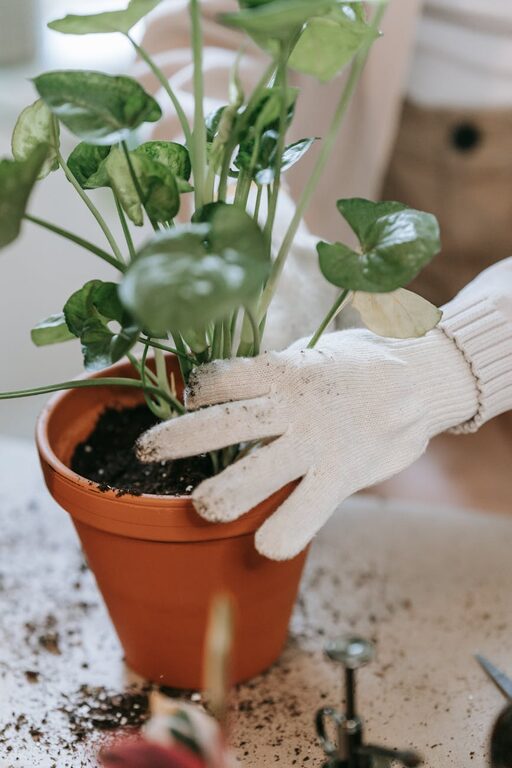
Creating a sustainable home garden is a rewarding way to connect with nature, grow your own food, and reduce your environmental impact. For beginners, the idea might seem overwhelming, but with some simple tips and guidance, anyone can start a thriving, eco-friendly garden at home. This guide will walk you through the basics of creating a sustainable garden that benefits both you and the planet.
What is a Sustainable Home Garden?
A sustainable garden focuses on using natural resources wisely and minimizing waste while supporting biodiversity. This means growing plants in a way that conserves water, improves soil health, reduces chemical use, and encourages beneficial insects and wildlife. Sustainable gardening helps reduce your carbon footprint and often results in healthier, more resilient plants.
Choosing the Right Location
Assess Sunlight and Space
Most vegetables and flowers thrive in spots with at least 6 hours of direct sunlight daily. Observe your yard at different times of day to identify the sunniest areas. Even small spaces like balconies or windowsills can be used creatively with containers or vertical gardens.
Consider Soil Quality
Healthy soil is the foundation of a sustainable garden. Test your soil’s texture and drainage before planting. If your soil is poor in nutrients or compacted, you can improve it by adding organic matter such as compost or well-aged manure.
Selecting Plants for Sustainability
Choose Native and Drought-Tolerant Plants
Native plants are adapted to your local climate and soil, requiring less water and fewer pesticides. Drought-tolerant plants help conserve water and can survive dry periods more easily.
Grow a Mix of Vegetables, Herbs, and Flowers
A diverse garden attracts beneficial insects like pollinators and natural pest controllers. Companion planting—such as pairing tomatoes with basil—can improve growth and reduce pests.
Start with Seeds or Seedlings
Growing from seeds is cost-effective and allows a wide variety of plants. Seedlings, on the other hand, give a head start on the growing season. Whichever method you choose, opt for organic and non-GMO seeds to maintain sustainability.
Watering Wisely
Use Rainwater or Collect Greywater
Harvest rainwater with a rain barrel to reduce reliance on tap water. Some gardeners also reuse greywater (from sinks or showers) to irrigate non-edible plants safely.
Water in the Early Morning or Late Evening
Watering during cooler parts of the day reduces evaporation and ensures plants absorb moisture efficiently.
Implement Drip Irrigation or Soaker Hoses
These methods deliver water directly to the roots, reducing waste compared to overhead sprinklers.
Building Healthy Soil
Compost Kitchen and Garden Waste
Composting transforms food scraps and plant waste into nutrient-rich humus that improves soil structure and fertility.
Use Mulch to Retain Moisture and Control Weeds
Organic mulches like straw, wood chips, or shredded leaves help keep soil moist, enrich it as they break down, and reduce unwanted weeds.
Avoid Chemical Fertilizers and Pesticides
Opt for natural alternatives like compost tea, neem oil, or insecticidal soap to encourage a balanced garden ecosystem.
Encouraging Biodiversity
Create Habitat for Beneficial Wildlife
Incorporate features such as bird feeders, bee hotels, or small water sources to welcome helpful creatures.
Plant Pollinator-Friendly Flowers
Plants like lavender, coneflowers, and sunflowers attract bees and butterflies, essential for fruit and vegetable production.
Rotate Crops Annually
Changing planting locations helps prevent soil depletion and reduces pest problems.
Maintaining Your Garden Sustainably
Practice Regular Weeding and Pruning
Removing weeds promptly prevents competition for nutrients and water. Pruning keeps plants healthy and productive.
Harvest Mindfully
Pick produce when ripe to encourage continued growth and avoid waste.
Reuse and Recycle Materials
Use recycled containers, build compost bins from scrap wood, and repurpose garden tools to reduce resource consumption.
Final Thoughts
Starting a sustainable home garden may take some effort upfront, but the benefits are lasting. You’ll enjoy fresh produce, beautiful plants, and a healthier environment right outside your door. Remember that gardening is a learning process—be patient and observe what works best in your space. With time, your sustainable garden will flourish and become a source of pride and joy.
Happy gardening!
