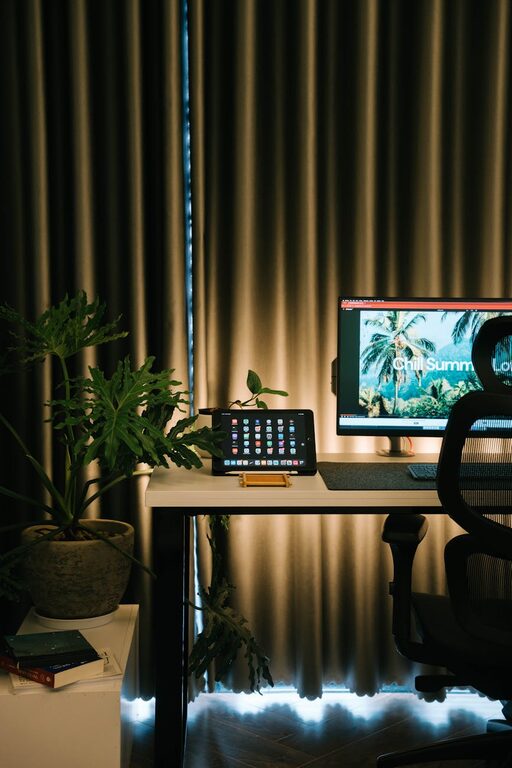
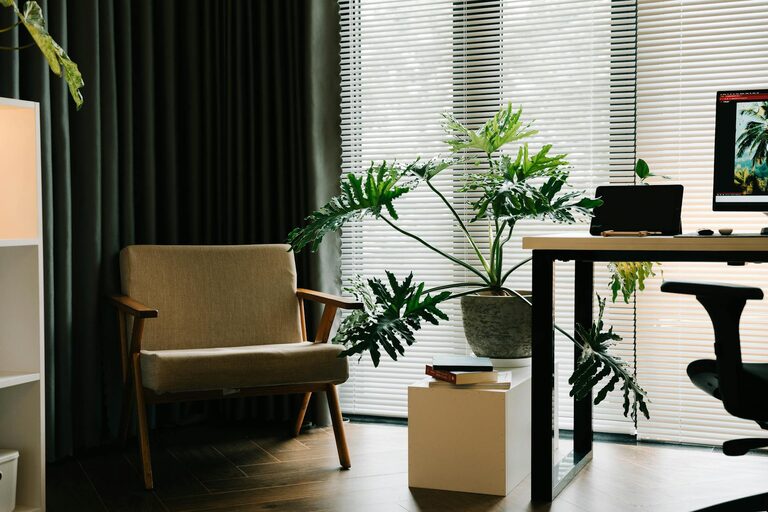
Creating a relaxing home office environment is essential for maintaining focus, reducing stress, and enjoying your workday. Whether you work remotely full-time or occasionally need a quiet space, designing a comfortable and soothing area can have a big impact on your productivity and well-being.
In this post, we’ll explore practical tips to help you build a home office that feels inviting, supports concentration, and promotes relaxation. Let’s get started!
Choose the Right Location
Pick a Quiet Spot
Select a part of your home with minimal noise and distractions. If possible, avoid busy areas like the kitchen or living room. A quiet corner or spare room can make it easier to focus.
Use Natural Light
Position your desk near a window to take advantage of natural sunlight. Natural light improves mood and energy levels. If natural light is limited, opt for soft white lighting that mimics daylight.
Optimize Your Desk Setup
Invest in Comfortable Furniture
Choose an ergonomic chair that supports your back and encourages good posture. A desk at the right height helps avoid strain and keeps you comfortable throughout the day.
Keep It Organized
Clutter can cause stress and reduce productivity. Use drawers, shelves, or desk organizers to keep your workspace neat and tidy. A clear desk helps clear your mind.
Add Personal Touches
Incorporate items that make you feel calm and happy. This could be photos, artwork, or favorite small décor items. Personal touches make your space inviting without being distracting.
Incorporate Calming Colors and Textures
Use Soothing Colors
Soft, neutral colors like light blues, greens, or warm grays create a peaceful atmosphere. Avoid overly bright or harsh colors that can cause visual fatigue.
Introduce Natural Elements
Wood textures, plants, or stones add warmth and a connection to nature, which has been shown to reduce stress and enhance focus.
Bring Nature Indoors
Add Indoor Plants
Plants improve air quality and add a calming presence. Easy-to-care-for options like succulents, snake plants, or pothos work well in office spaces.
Use Natural Scents
Consider gentle scents such as lavender, eucalyptus, or citrus through essential oil diffusers or candles. Aromatherapy can help relieve stress and keep your mind sharp.
Manage Noise Levels
Use Noise-Cancelling Headphones
If background noise is unavoidable, noise-cancelling headphones can help you stay focused on your tasks.
Play Soothing Background Music
Soft instrumental music or ambient sounds like nature noises can create a relaxing auditory environment without distracting from work.
Establish a Routine and Breaks
Set Consistent Work Hours
Having regular start and end times helps create structure and signals when it’s time to focus and when to relax.
Take Regular Breaks
Schedule short breaks every hour to stretch, hydrate, or simply rest your eyes. This helps prevent burnout and keeps energy levels steady.
Improve Air Quality and Temperature
Ensure Proper Ventilation
Fresh air enhances concentration and reduces fatigue. Open windows when possible or use an air purifier to keep the air clean.
Maintain Comfortable Temperature
Keep your room temperature comfortable—not too hot or cold—to stay focused and relaxed.
Minimize Digital Distractions
Use Website Blockers
Tools that limit access to distracting websites can boost productivity during work hours.
Organize Digital Workspace
Arrange your computer desktop and files systematically to reduce time spent searching for items.
Personalize Your Lighting
Use Adjustable Desk Lamps
A desk lamp with brightness and color temperature controls helps reduce eye strain and create the right mood.
Consider Light Therapy Lamps
If you work in a space with little natural light, light therapy lamps can help maintain energy and focus, especially in darker months.
—
Creating a relaxing home office doesn’t mean sacrificing functionality. By combining comfort, organization, natural elements, and a calming atmosphere, you can build a workspace that supports both productivity and well-being. Start with a few of these tips and adjust them to fit your personal preferences and needs.
Remember, your workspace should be a place where you feel inspired and relaxed. Happy decorating!

Related Posts